Luchino Visconti
January 7 to February 25, 2026
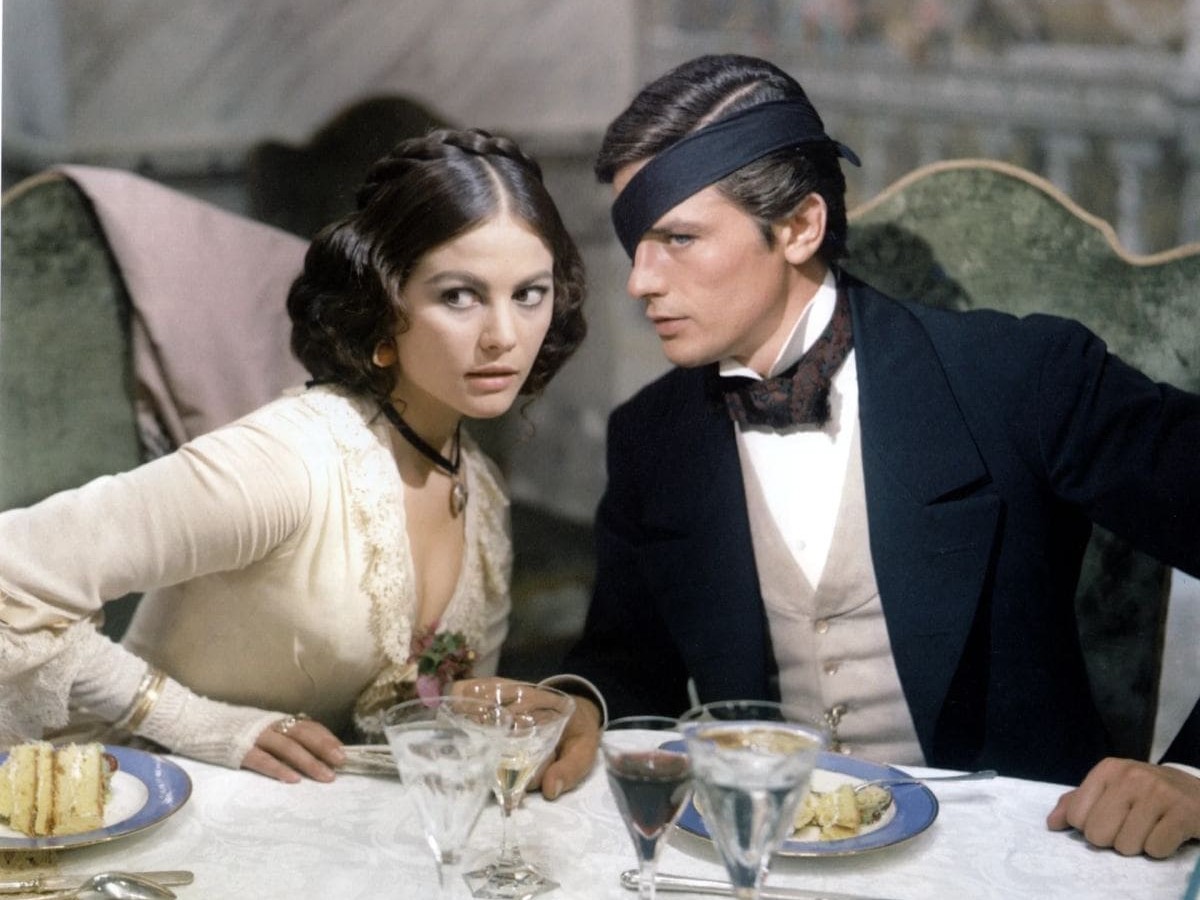
With Luchino Visconti (1906–1976), we again honor one of the greatest directors of the 20th century. Exactly 60 years ago, a Film Museum retrospective was held when Visconti was visiting Vienna with an opera he had directed, and we most recently showed his work in 2005. After more than 20 years, we again want to remember one of the most influential film artists, traces of whose inimitable style can still be found in contemporary world cinema and whose masterpieces have in many ways remained unsurpassed: Next to Visconti's adaptation of Giuseppe Tomasi di Lampedusa's novel Il gattopardo (1963), the recent Netflix series pales in comparison.
Yet, Visconti was not only successful in film, where, in the 1940s, he had already established himself as an outstanding figure and co-founder of Neorealism. At almost the same time, he was revolutionizing Italian theater and developing in the constant change from cinema to stage to opera a singular aesthetic combining these forms of expression. Although films like La terra trema (1948), Senso (1954) or Il gattopardo left a decisive mark on film history and Visconti was already considered an absolute classic director during his lifetime, he always remained controversial. His work and his personality were full of paradoxes. Aristocrat, homosexual, and Marxist, Visconti was equally fascinated by the vanishing fin de siècle culture in whose spirit he was raised as by the (class) struggles of his own time. He shaped cinema as the art of the 20th century out of the epic spirit that characterized the literature and music of the outgoing 19th century.
Again and again, Visconti turned to world literature (from Lampedusa to Albert Camus and Thomas Mann), but even when he staged historical material, he never lost sight of the present. Visconti's cinema delivers a portrait of the forces behind the 20th century's political and aesthetic sensibilities. With a breathtaking obsession for set design, which aimed for a maximum of realistic detail and artful stylization, he reconstructed a "lost time," whose decline appears inevitable – while always evoking the possibility of another path history might have taken. In this way, he created his own poetics of time: genuine "time-images" which prove he was a major dialectician.
Visconti's youth was characterized by an aristocratic lifestyle. The son of a Milanese aristocratic dynasty, he received a comprehensive education and led a financially independent existence. In the 1930s, he developed an interest in theater and cinema; meeting Jean Renoir, for whom he worked as assistant director, proved decisive. Visconti's political engagement was awoken; he collaborated on the film journal Cinema, where, in the early war years, there came together the oppositional forces who would soon establish neoverismo. While Visconti's debut, the naturalistic crime melodrama Ossessione (1943), was promptly banned due to its socially critical bias, it nevertheless acted as a neorealist manifesto: Cinema about the conflict between "living humans and the things in which social constraints are mirrored."
After the war, Visconti became a rejuvenator of Italian theater and staged operas, including some of the most important Callas performances, both of which had reciprocal effects on his filmmaking. Politically, he avowed himself to Gramsci's Marxism of crises. La terra trema, his story of the decline of a family of Sicilian fishermen in the face of emerging capitalism, combined realism with operatic qualities. In the historical film Senso, Visconti finally mastered his idea of the total artwork: the association of filmic opulence, theatrical choreography, and a deeply contemporary construction of history.
A possible culmination of his art is the incomparable 40-minute ball sequence at the end of Il gattopardo, which is shaped liked the protagonist's stream of consciousness: during the Garibaldian war of independence, the old prince realizes that his world is destined to disappear. This motif also marks Visconti's late work: In his "German Trilogy" (1968–73), he deals with the toppling of aristocratic, bourgeois culture and the death cult and barbarity of the Nazi Era (The Damned), their fading away into aesthetic sublimation (Death in Venice), and total flight from the world (Ludwig – Visconti's most monumental and personal work).
The extreme stylization of his late work earned Visconti accusations of decadence and of losing touch with the world. His last two masterpieces, which he directed while deathly ill in a wheelchair, feel like responses: Gruppo di famiglia in un interno (1974) is about the impossibility of retreating into an ivory tower and L'innocente (1976) is a final, ruthless reckoning with the turn-of-the-century mentality that produced the 20th century's monsters. (Christoph Huber / Translation: Ted Fendt)
We will show all of Luchino Visconti's feature films and, for the first time, his rare short film Appunti su un fatto di cronaca. Unfortunately, a handful of his contributions to omnibus films are currently unavailable.
The retrospective is a collaboration with the Italian Cultural Institute of Vienna.
With Luchino Visconti (1906–1976), we again honor one of the greatest directors of the 20th century. Exactly 60 years ago, a Film Museum retrospective was held when Visconti was visiting Vienna with an opera he had directed, and we most recently showed his work in 2005. After more than 20 years, we again want to remember one of the most influential film artists, traces of whose inimitable style can still be found in contemporary world cinema and whose masterpieces have in many ways remained unsurpassed: Next to Visconti's adaptation of Giuseppe Tomasi di Lampedusa's novel Il gattopardo (1963), the recent Netflix series pales in comparison.
Yet, Visconti was not only successful in film, where, in the 1940s, he had already established himself as an outstanding figure and co-founder of Neorealism. At almost the same time, he was revolutionizing Italian theater and developing in the constant change from cinema to stage to opera a singular aesthetic combining these forms of expression. Although films like La terra trema (1948), Senso (1954) or Il gattopardo left a decisive mark on film history and Visconti was already considered an absolute classic director during his lifetime, he always remained controversial. His work and his personality were full of paradoxes. Aristocrat, homosexual, and Marxist, Visconti was equally fascinated by the vanishing fin de siècle culture in whose spirit he was raised as by the (class) struggles of his own time. He shaped cinema as the art of the 20th century out of the epic spirit that characterized the literature and music of the outgoing 19th century.
Again and again, Visconti turned to world literature (from Lampedusa to Albert Camus and Thomas Mann), but even when he staged historical material, he never lost sight of the present. Visconti's cinema delivers a portrait of the forces behind the 20th century's political and aesthetic sensibilities. With a breathtaking obsession for set design, which aimed for a maximum of realistic detail and artful stylization, he reconstructed a "lost time," whose decline appears inevitable – while always evoking the possibility of another path history might have taken. In this way, he created his own poetics of time: genuine "time-images" which prove he was a major dialectician.
Visconti's youth was characterized by an aristocratic lifestyle. The son of a Milanese aristocratic dynasty, he received a comprehensive education and led a financially independent existence. In the 1930s, he developed an interest in theater and cinema; meeting Jean Renoir, for whom he worked as assistant director, proved decisive. Visconti's political engagement was awoken; he collaborated on the film journal Cinema, where, in the early war years, there came together the oppositional forces who would soon establish neoverismo. While Visconti's debut, the naturalistic crime melodrama Ossessione (1943), was promptly banned due to its socially critical bias, it nevertheless acted as a neorealist manifesto: Cinema about the conflict between "living humans and the things in which social constraints are mirrored."
After the war, Visconti became a rejuvenator of Italian theater and staged operas, including some of the most important Callas performances, both of which had reciprocal effects on his filmmaking. Politically, he avowed himself to Gramsci's Marxism of crises. La terra trema, his story of the decline of a family of Sicilian fishermen in the face of emerging capitalism, combined realism with operatic qualities. In the historical film Senso, Visconti finally mastered his idea of the total artwork: the association of filmic opulence, theatrical choreography, and a deeply contemporary construction of history.
A possible culmination of his art is the incomparable 40-minute ball sequence at the end of Il gattopardo, which is shaped liked the protagonist's stream of consciousness: during the Garibaldian war of independence, the old prince realizes that his world is destined to disappear. This motif also marks Visconti's late work: In his "German Trilogy" (1968–73), he deals with the toppling of aristocratic, bourgeois culture and the death cult and barbarity of the Nazi Era (The Damned), their fading away into aesthetic sublimation (Death in Venice), and total flight from the world (Ludwig – Visconti's most monumental and personal work).
The extreme stylization of his late work earned Visconti accusations of decadence and of losing touch with the world. His last two masterpieces, which he directed while deathly ill in a wheelchair, feel like responses: Gruppo di famiglia in un interno (1974) is about the impossibility of retreating into an ivory tower and L'innocente (1976) is a final, ruthless reckoning with the turn-of-the-century mentality that produced the 20th century's monsters. (Christoph Huber / Translation: Ted Fendt)
We will show all of Luchino Visconti's feature films and, for the first time, his rare short film Appunti su un fatto di cronaca. Unfortunately, a handful of his contributions to omnibus films are currently unavailable.
The retrospective is a collaboration with the Italian Cultural Institute of Vienna.